By: Hengki Hamino
Net Gain Biodiversity (NGB) in Maluku embodies a proactive approach to sustainable development, aligning energy projects with conservation efforts to deliver measurable ecological and social benefits. By integrating biodiversity enhancement into project planning, Maluku commits to protecting marine ecosystems while advancing economic growth, coastal community welfare, and poverty reduction—turning development into a driver of regeneration rather than depletion.
The success of this model depends on clear policies, dedicated funding, and independent oversight to ensure benefits are credible and equitably distributed. Through cross-sector collaboration and transparent governance, Maluku positions itself as a national ecological heritage hub while strengthening Indonesia’s identity as a sovereign, resilient, and just maritime nation—sending a powerful message to the world that sustainability can generate both ecological and social dividends.
Maritime Experts Forum
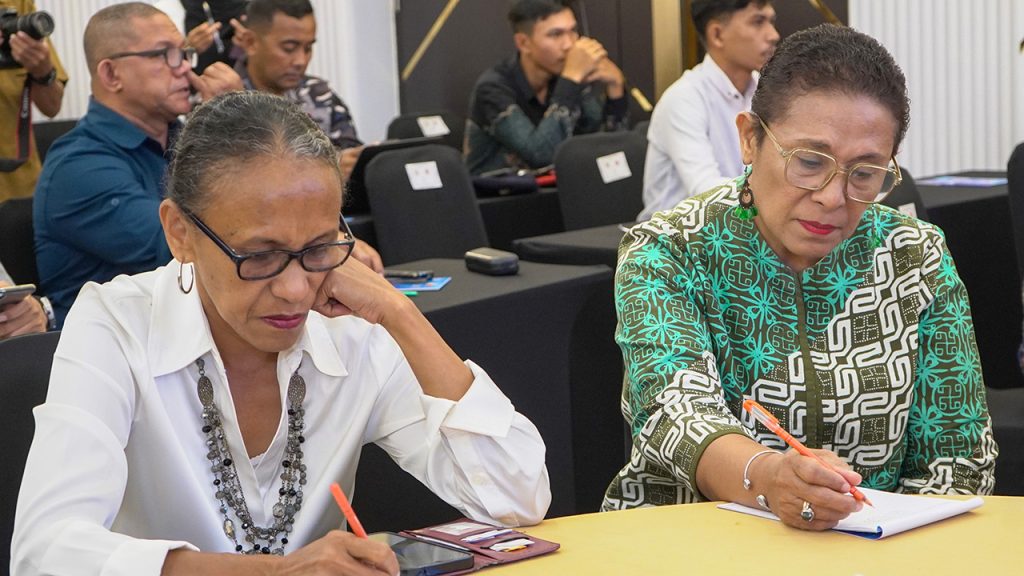
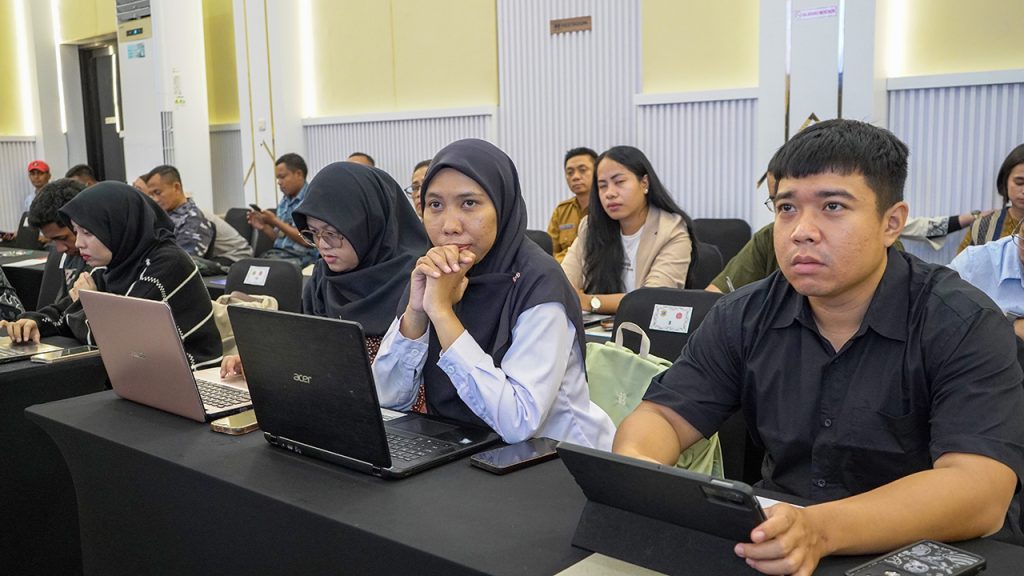
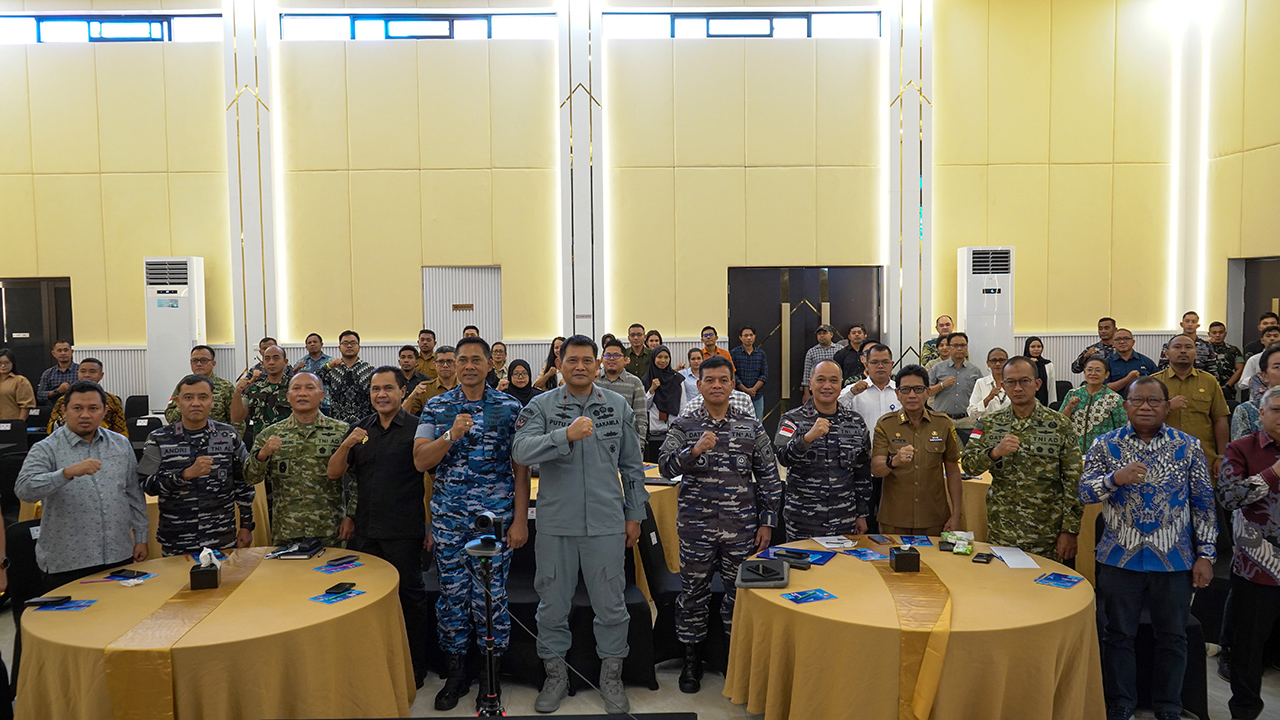
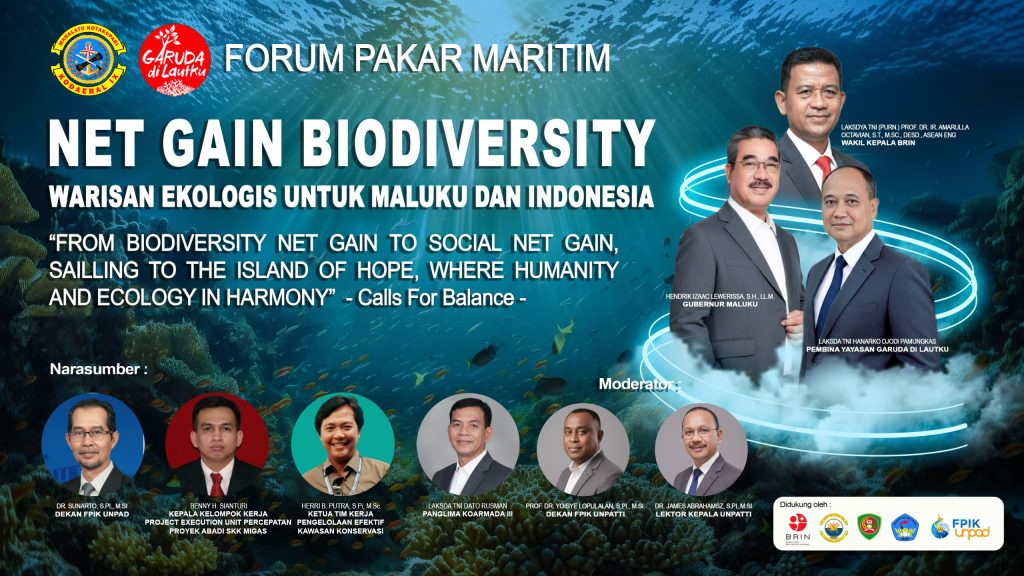
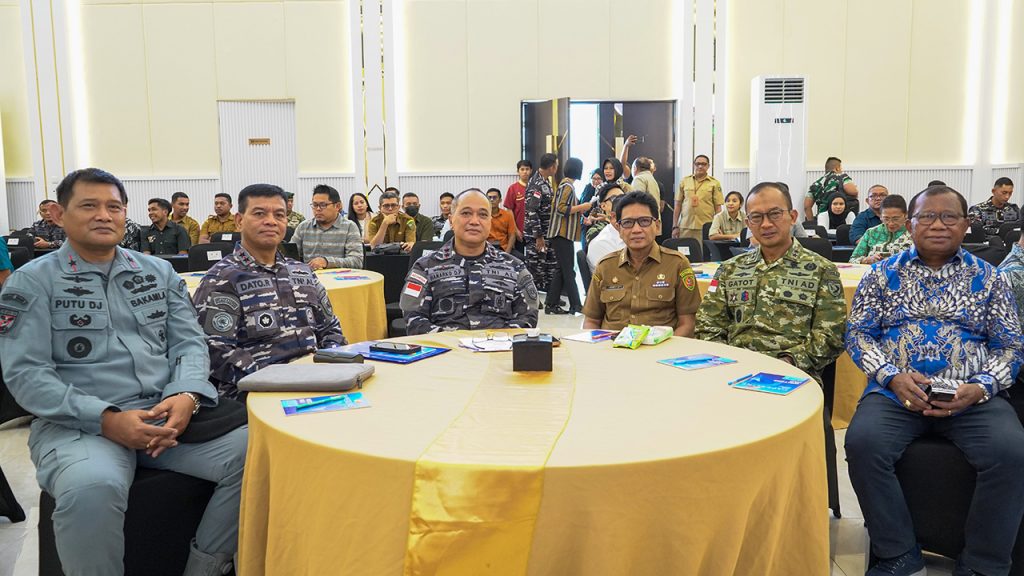
On February 24, 2026, in Ambon, the Garuda di Lautku Initiative Foundation in collaboration with Kodaeral IX convened the Maritime Experts Forum to deliberate on the future of Indonesia’s biodiversity in alignment with the acceleration of the National Strategic Project OLNG Abadi Masela. The forum brought together distinguished leaders, including Prof. Dr. Ir. Amarulla Octavian, Deputy Head of the National Research and Innovation Agency (BRIN); Hendrik Izaac Lewerissa, S.H., LL.M, Governor of Maluku Province; and Rear Admiral Hanarko Djodi Pemungkas, Commander of Kodaeral IX.
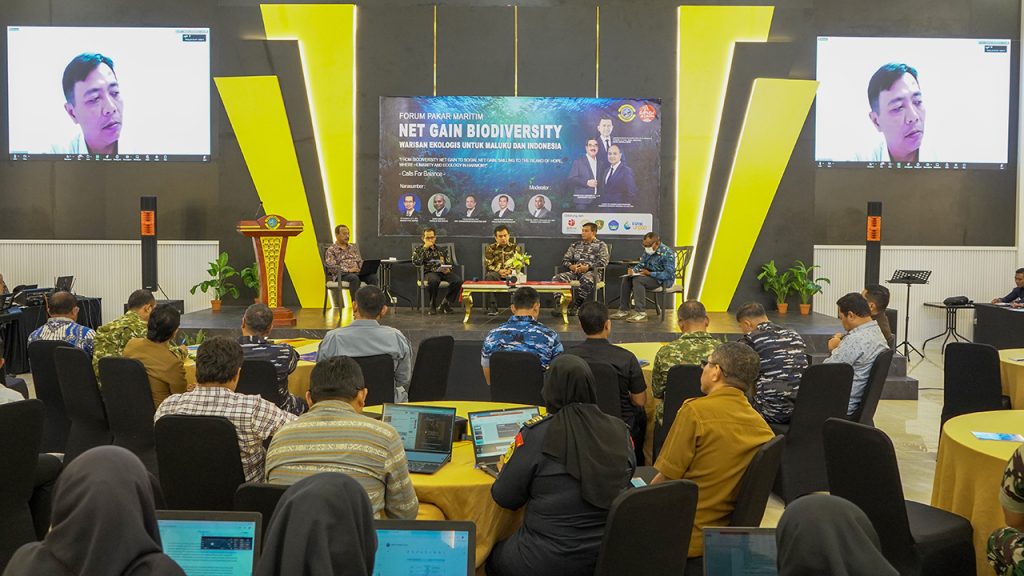
Complementing the keynote speakers were four prominent experts: Rear Admiral Dato Rusman SN, Commander of the Indonesian Navy’s Fleet Command III; Dr. Sunarto, Dean of the Faculty of Fisheries and Marine Sciences at Universitas Padjadjaran; Ir. Benny H. Sianturi, Head of the Project Execution Unit for the Abadi Project at SKK Migas; and Herri B. Putra, Head of the Effective Management Team for Marine Conservation Areas at the Ministry of Marine Affairs and Fisheries. The discussions were moderated by Prof. Dr. Y. Lopulalan and Dr. James Abrahamsz of Universitas Pattimura, ensuring a dynamic exchange of perspectives across science, governance, defense, and industry.
From Biodiversity Net Gain, To Social Net Gain
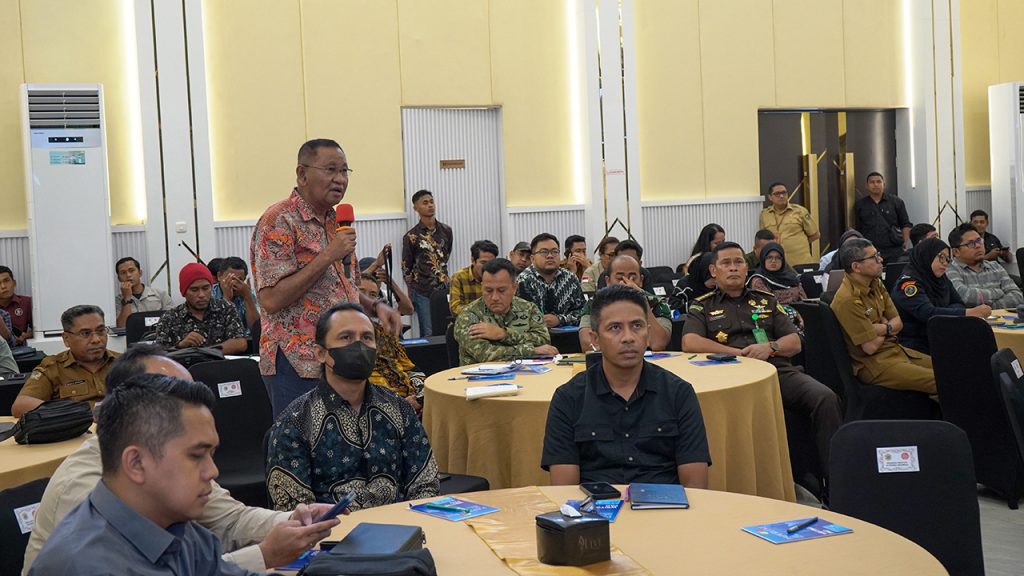
From the presentations of keynote speakers and the dynamic exchange among participants at the Maritime Experts Forum, ten key recommendations emerged to guide the implementation of the Net Gain Biodiversity (NGB) approach in Eastern Indonesia, with a particular focus on Maluku Province. These proposals reflect a collective commitment to ensuring that biodiversity gains are not only ecological but also social, aligning conservation with economic growth and poverty alleviation.
The recommendations emphasize the need for integrated policy frameworks, dedicated funding, and independent oversight, while also highlighting the importance of community participation, vocational education, and transparent governance. Together, these ten points form a roadmap for Maluku to strengthen its role as a national ecological heritage hub and reinforce Indonesia’s position as a sovereign, resilient, and just maritime nation.
- Integrated Multi-Stakeholder Team.
Establishing a cross-sectoral body involving government, SKK Migas, academia, local communities, defense forces, and research institutions to synchronize conservation, food and energy security, poverty alleviation, and disaster preparedness within the framework of national defense. - Scientific Basis and Multi-Dimensional Indicators.
Using standardized methodologies and ecological baselines to measure NGB success across ecological, social, and economic dimensions, ensuring credible and locally relevant outcomes. - Integration into Regional Planning
Embedding NGB into spatial planning (RPJMD, RZWP3K, RTRW) to guarantee that development policies deliver measurable ecological benefits alongside economic growth. - Independent Audit and Evaluation
Engaging universities, environmental auditors, NGOs, and indigenous communities to validate NGB claims, ensuring transparency, accountability, and social legitimacy. - Engagement of Religious Leaders and Students
Leveraging their role as mediators and legitimacy builders to secure fair compensation, strengthen social acceptance, and bridge interests between government, industry, and communities. - Local Human Resource Development
Implementing vocational education, technical training, and international-standard certification to empower local workers as strategic partners in LNG and maritime projects. - Direct Community Involvement
Ensuring local participation in construction, supply chains, and infrastructure development to distribute benefits equitably and reinforce Indonesia’s maritime sovereignty. - Multi-Sectoral Maritime Operations Center.
Establishing a command hub in Maluku to integrate data from naval, research, and regulatory agencies, enhancing marine surveillance, conservation, and emergency response. - Policy Adjustment for Marine Spatial Governance.
Harmonizing provincial authority with customary practices to preserve cultural identity, sustain small-scale economies, and minimize spatial conflicts. - Distributive Justice and National Sovereignty.
Reforming national policies to ensure fair distribution of revenues from oil, gas, and fisheries, strengthening poverty alleviation, disaster preparedness, and maritime defense.
Humanity and Ecology in Harmony
The Maritime Experts Forum has outlined a strategic direction that unites ecological, social, economic, and national defense priorities, positioning Net Gain Biodiversity (NGB) as a tangible instrument to safeguard sovereignty while enhancing community welfare. By framing biodiversity gains as both ecological and social dividends, the forum emphasized that sustainable development must reinforce resilience and justice at the national level.
Turning recommendations into reality requires supportive policies, sustainable financing, and technical programs that actively involve local communities. With collective commitment, Maluku can emerge as a hub of national ecological heritage, while simultaneously strengthening Indonesia’s identity as a sovereign maritime nation—resilient, equitable, and prepared to meet global challenges.*HH**