
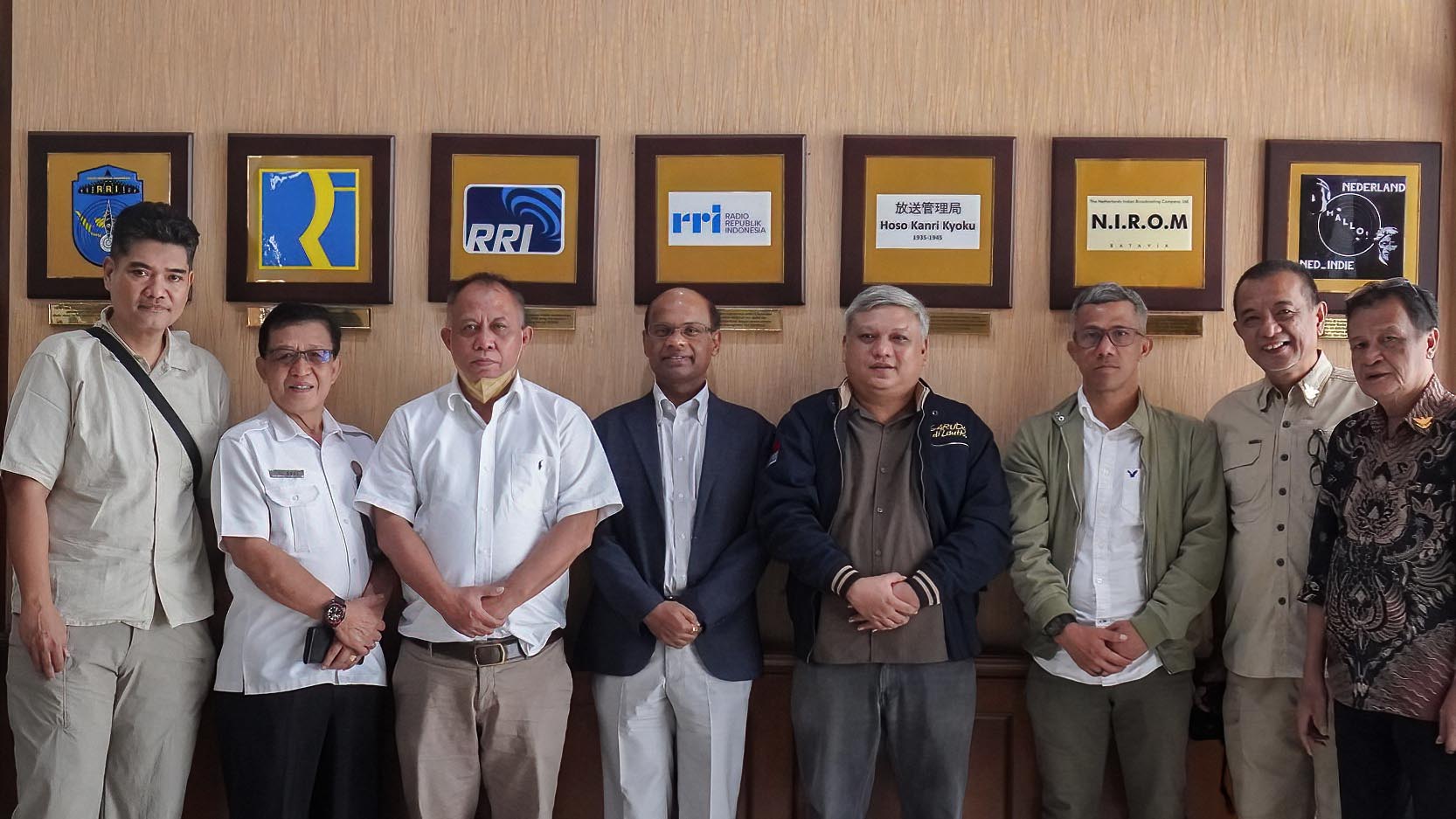
Podcast Reflection:
Seasonal Climate Forecasts (SINTEX-F) and National Food Security Program
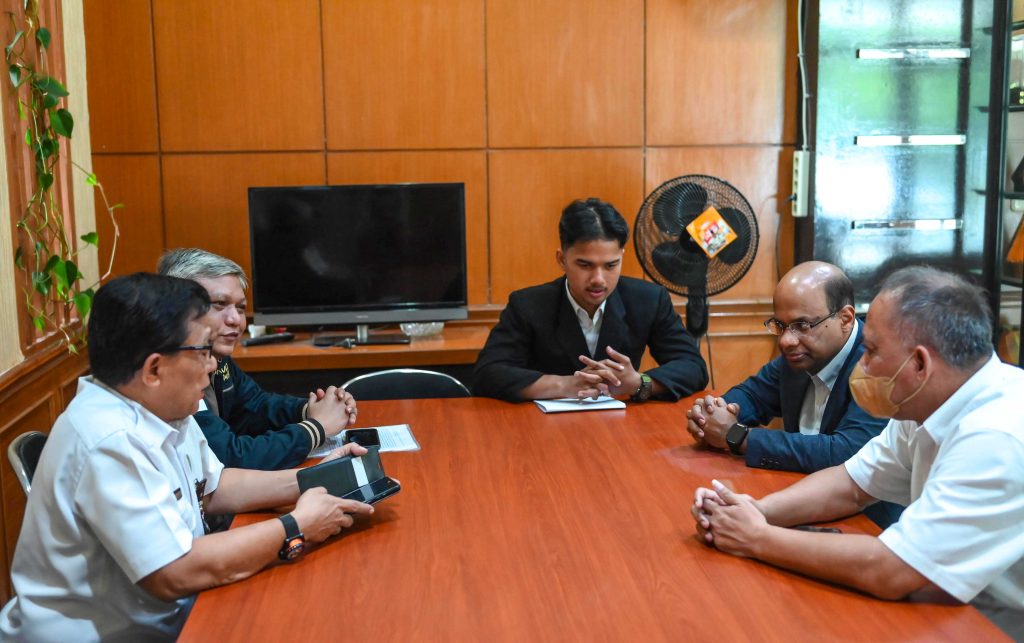
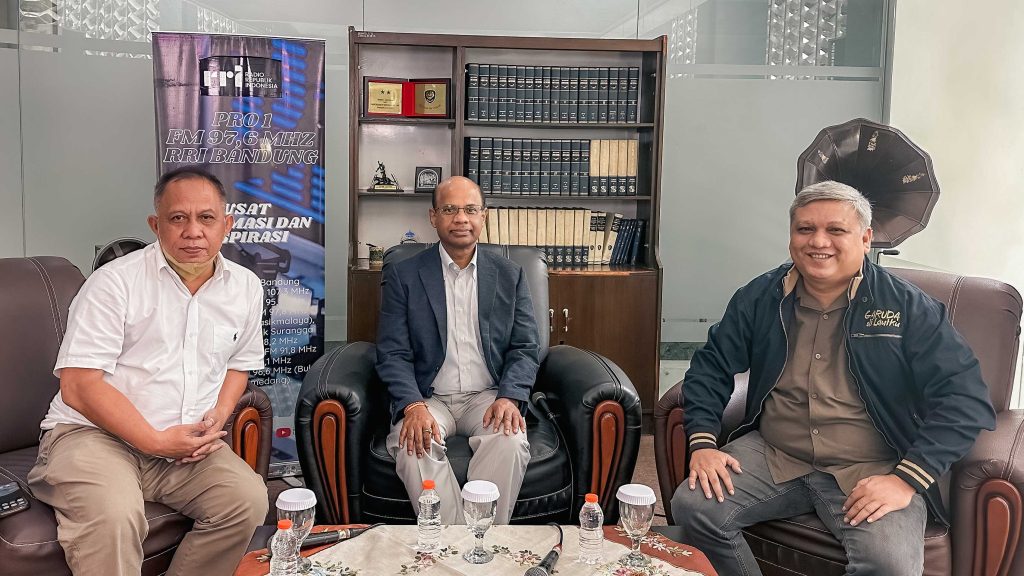
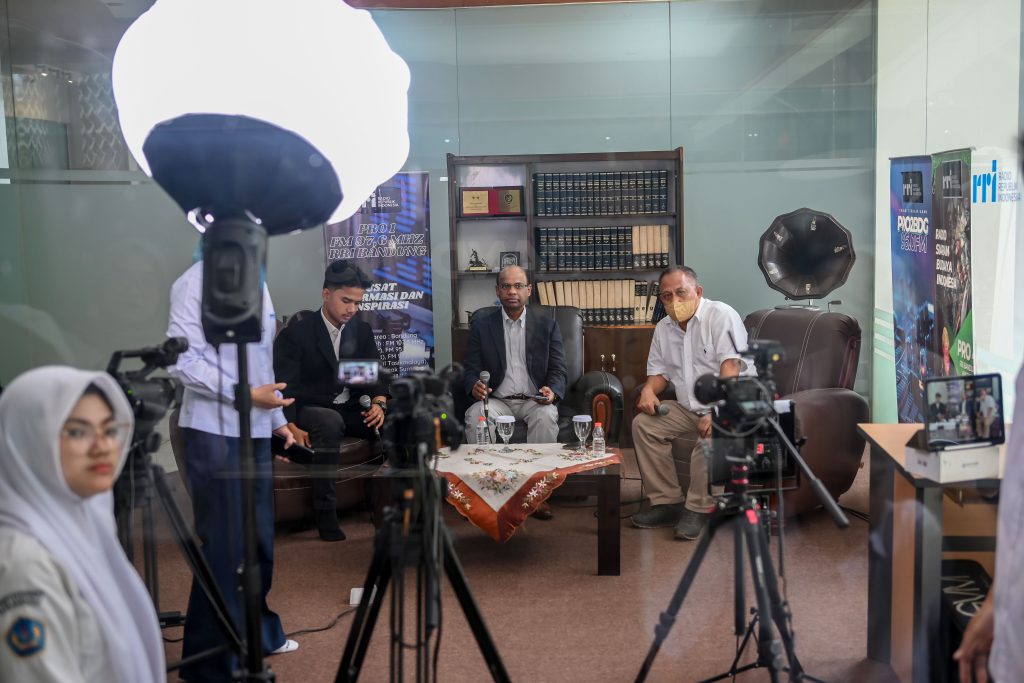
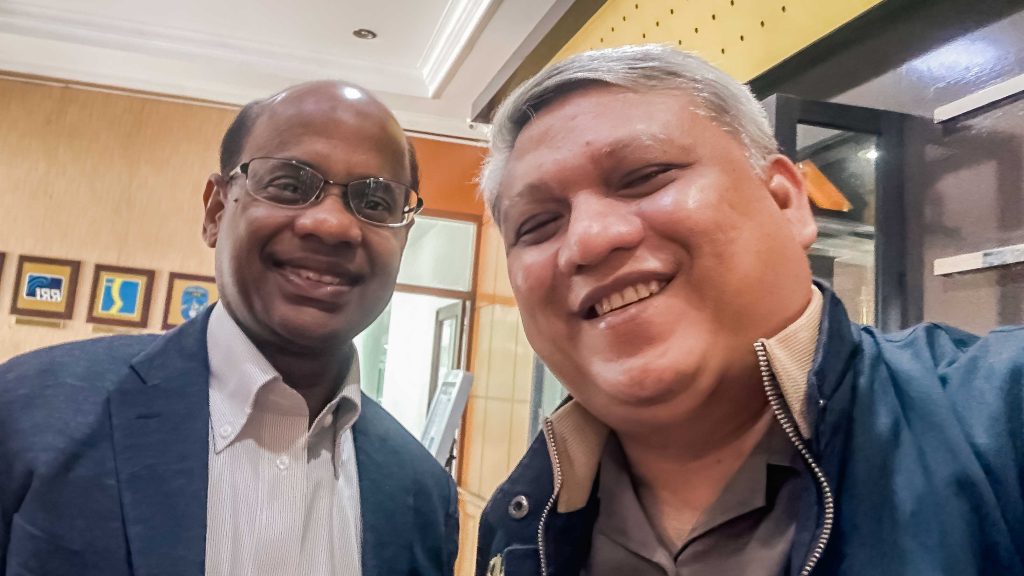
RRI Bandung Studio, January 19, 2026
Speakers:
- Dr. Swadhin K. Behera
Director, Application Laboratory
Japan Agency for Marine-Earth Science and Technology (JAMSTEC) - Dr. Fadli Syamsudin
Head of Climate and Maritime Management Studies
Universitas Padjadjaran (Unpad), Indonesia
Narrated by:
Hengki Hamino
Chairman, Garuda Di Lautku Initiative Foundation
This podcast brought together distinguished experts from Japan and Indonesia to discuss the role of SINTEX-F seasonal climate forecasts in strengthening national food security strategies. Dr. Behera highlighted the scientific advances of SINTEX-F in predicting global climate phenomena such as El Niño and the Indian Ocean Dipole, which directly affect agriculture and fisheries. Dr. Syamsudin emphasized the importance of integrating these forecasts into Indonesia’s cross-sectoral planning—linking agriculture, fisheries, water management, and public health—to build resilience against climate variability. The dialogue underscored the value of international collaboration and science-based policymaking in ensuring sustainable food systems for both urban centers and small island communities.
SINTEX-F (Scale Interaction Experiment – Frontier)
At the dawn of the 21st century, the world faced a pressing challenge: how to read the pulse of an increasingly unpredictable climate. From Japan to Europe, a group of visionary scientists joined forces in an international orchestra of collaboration. The result was the birth of Scale Interaction Experiment–Frontier (SINTEX-F), a supercomputer-based seasonal climate prediction system capable of looking far ahead.
At the center stood Prof. Toshio Yamagata and his team at JAMSTEC (Japan Agency for Marine-Earth Science and Technology). Yet the success of SINTEX-F cannot be separated from the role of Dr. Swadhin K. Behera, who, together with Yamagata, was the first to identify and explain the Indian Ocean Dipole (IOD) phenomenon. Dr. Behera integrated this discovery into SINTEX-F, enabling the model to predict regional climate impacts across Asia, Africa, and Australia.
This collaboration was strengthened by a network of international scientists: Doi, Morioka, Luo, Sasaki, Sebastien Masson, and partners from INGV/CMCC Italy and L’OCEAN France. They bridged data, theory, and real-world applications for the benefit of global society. More than just a model, SINTEX-F is a symbol of scientific unity. It demonstrates that when scientists across nations join hands, they create a tool that not only predicts but also offers hope: hope for disaster mitigation, agricultural planning, and wiser environmental policies.
Agriculture: Crop Planning and Productivity
Indonesia’s food security is highly sensitive to climate: fluctuations in rainfall and heat stress have disrupted rice yields, water availability, and seasonal planning. Seasonal forecasts can guide planting dates, fertilizer and pesticide applications, crop selection, irrigation system decisions, harvest optimization, and more.
Since ancient times, farmers have always gazed at the sky. They read the clouds, feel the wind, and guess when the rains will come. The sky is an open book, yet often full of riddles. Today, with the advent of SINTEX-F, science offers new eyes to read that book more clearly. SINTEX-F is a bridge between the sky and the field. It captures the whispers of the ocean and the atmosphere, then translates them into seasonal climate forecasts: when El Niño will arrive, how La Niña will shape the rains, or when the Indian Ocean Dipole will shift the flow of water.
For farmers, this knowledge is a compass of life. With science, they no longer rely on guesswork but can plant with confidence. Seeds are sown at the right time, water is managed according to the season, and harvests are planned with greater certainty. SINTEX-F transforms farming from hard work alone into smart work. It turns uncertainty into hope, making every drop of rain and ray of sunlight part of a symphony that can be orchestrated. Now, farmers read the sky not only with their eyes and hearts, but also with science that stands for life. From this union emerges higher productivity, stronger sustainability, and a more secure future.
Fisheries and Aquaculture
Since ancient times, Indonesian fishermen have sailed guided by intuition. They read the winds, listen to the whispers of the waves, and guess where the fish might gather. The ocean is both a friend and a mystery, full of secrets not always easy to foresee.
Today, with the advent of SINTEX-F, science offers fishermen new eyes to read the waves. This seasonal climate prediction system captures the pulse of the ocean and atmosphere, then translates it into knowledge: when El Niño will alter the currents, how La Niña will affect sea temperatures, or when the Indian Ocean Dipole will bring abundance or scarcity of fish.
For fishermen and aquaculture farmers, this knowledge is a compass of life: boats sail with greater certainty, as fish migration routes can be anticipated, fish ponds are better managed, as temperature and rainfall shifts can be foreseen, the risk of crop failure is reduced, as science provides warnings before storms arrive.
SINTEX-F transforms the ocean from an unpredictable realm into a book that can be read through science. With it, fishermen no longer rely solely on instinct but can work with confidence. Indonesian fishermen read the waves not only with their eyes and hearts, but also with science that stands for life. From this union emerges stronger marine sustainability, higher productivity, and a more secure coastal future.
Seasonal Climate Change Triggers Health Risks and Water Stress
The impacts of seasonal climate change are increasingly evident across Indonesia. Heat waves and prolonged droughts have fueled a rise in heat-related illnesses and worsened the spread of malaria and dengue fever, driven by shifts in mosquito populations. At the same time, heavy rains and flooding have heightened the risk of waterborne diseases such as diarrhea, due to contamination of drinking water supplies.
Beyond public health, Indonesia faces mounting challenges in national water security. Climate variability is reshaping monsoon patterns, straining irrigation systems, and intensifying competition between agriculture, drinking water, and sanitation needs. Rivers, long considered the lifelines of water management, now rely heavily on seasonal climate forecasts to address scarcity, manage floods, and sustain agricultural production.
SINTEX-F: A Strategic Compass for Indonesia’s National Food Security
Indonesia underscores the importance of integrating the SINTEX-F seasonal climate forecasting system into its national food security program. This science-based model is recognized as a vital tool to strengthen cross-sectoral planning and reduce risks posed by climate variability.
Experts highlight that SINTEX-F supports adaptive agricultural extension services, enabling farmers to adjust planting calendars and select climate-resilient crop varieties. In the fisheries sector, forecasts of sea surface temperature and currents provide guidance for safer and more productive fishing operations.
Beyond agriculture and fisheries, SINTEX-F data can inform preventive budgeting, allowing authorities to reinforce irrigation systems and reservoirs ahead of prolonged dry seasons, and to issue early declarations of drought or flood risks. Integration into national policies, including the government’s Blue Economy roadmap, ensures that climate adaptation measures become embedded in sustainable development strategies.
Through this proactive approach, Indonesia aims to reduce reliance on emergency food imports, mitigate economic costs associated with climate change, and strengthen food security across both urban centers and remote small islands.
Indonesia also calls for international collaboration in advancing climate science applications like SINTEX-F. By sharing knowledge, technology, and best practices, nations can collectively safeguard food systems, protect vulnerable communities, and build resilience against the growing challenges of a changing climate.*HH**