INDONESIA’S EEL FARMING PARADOX
Jakarta, Indonesia — The tightening of international trade regulations under CITES has placed several high-value tropical blue food commodities particularly eel products under severe restriction, triggering a wave of bankruptcies among eel farming enterprises across Indonesia. Despite abundant natural resources and global demand for tropical eel products, hundreds of aquaculture enterprises have gone bankrupt, leaving communities economically stranded.
As part of a strategic effort to advance Indonesia’s food sovereignty and blue economy agenda, a multi-stakeholder team led by the Garuda Dilautku Initiative Foundation and the Policy Development Deputy Team of the National Research and Innovation Agency (BRIN) conducted a targeted field engagement in , conducted a series of field activities on October 28–29, 2025, in Sukabumi Regency. The program aimed to surface governance challenges and inform policy interventions for tropical blue food systems, with a focus on eel fisheries.
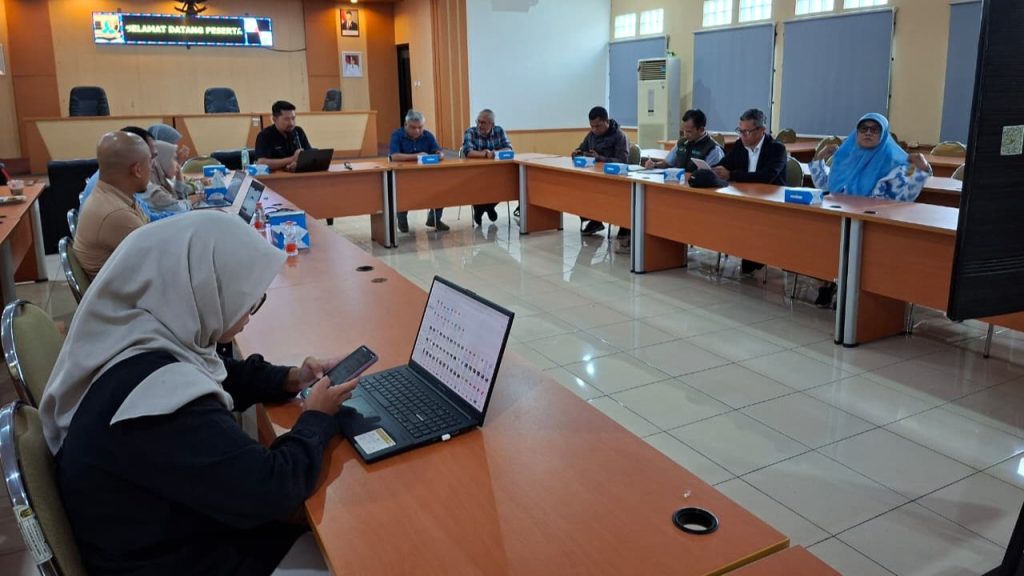
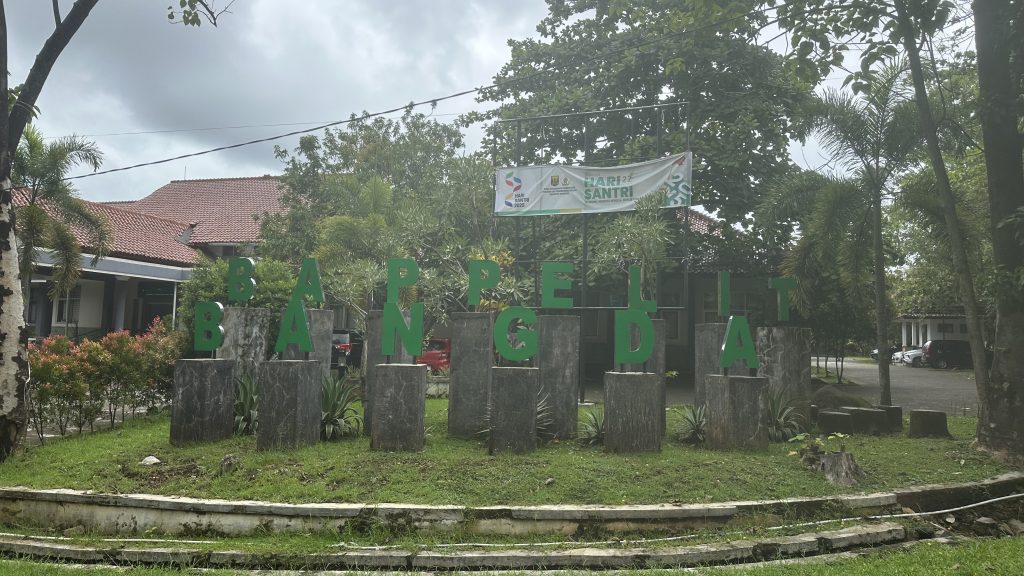
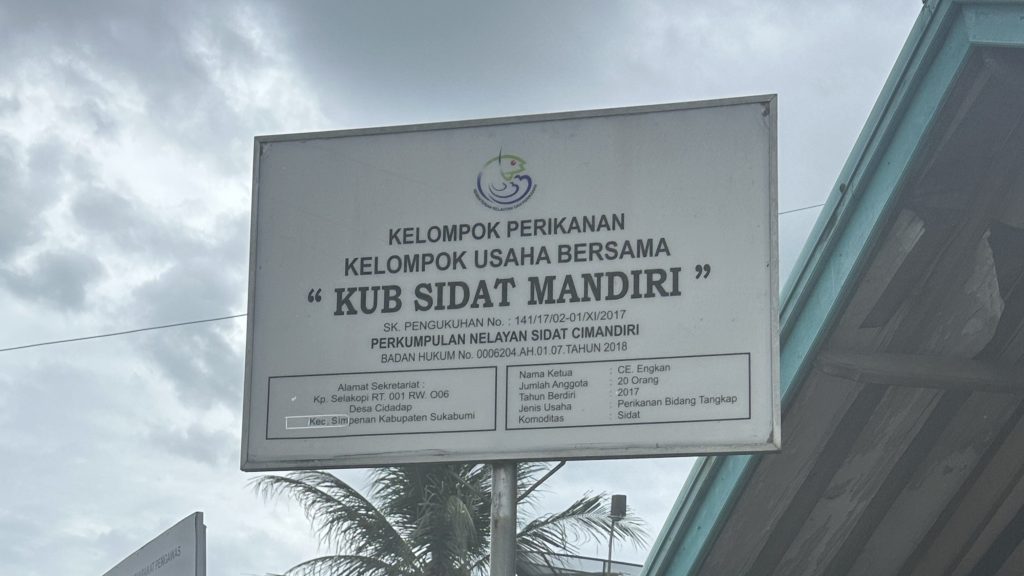
The initiative opened with a policy dialogue at the Regional Development Planning and Research Agency (Bappelitbangda), where stakeholders examined the structural constraints, ecological considerations, and market dynamics affecting endemic aquatic commodities. This was followed by a participatory discussion with eel farmers at the Sidat Mandiri Joint Business Group, revealing critical insights into regulatory bottlenecks, livelihood vulnerabilities, and operational barriers at the community level.
To strengthen the evidence base for policy formulation, the team conducted a technical site visit to the eel nursery facilities managed by BBAT Sukabumi. The visit provided firsthand insights into cultivation practices, infrastructure readiness, and operational challenges within Indonesia’s tropical eel aquaculture sector. Observations from the facility underscored the need for targeted investment, capacity building, and regulatory support to enhance productivity and sustainability.
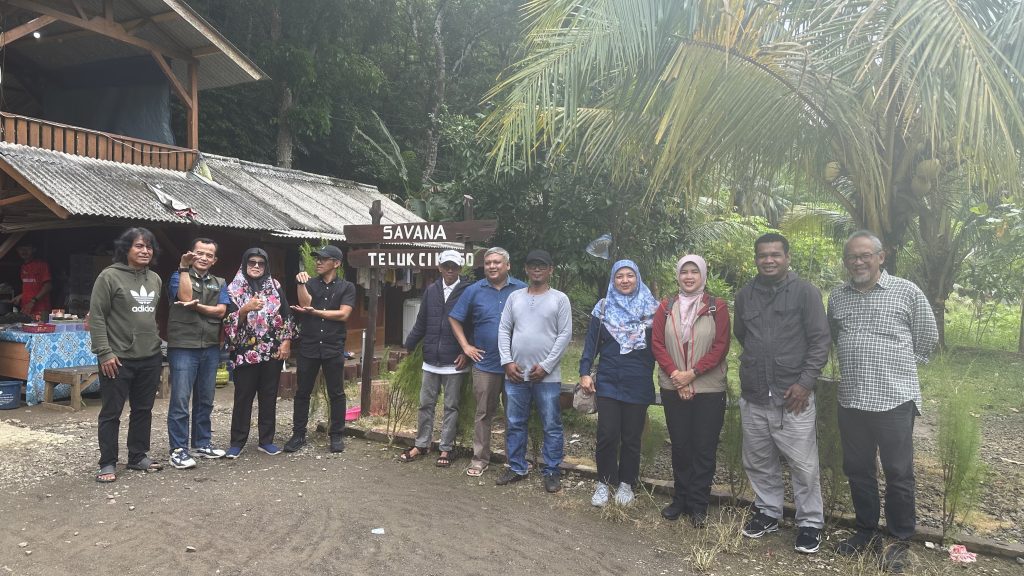
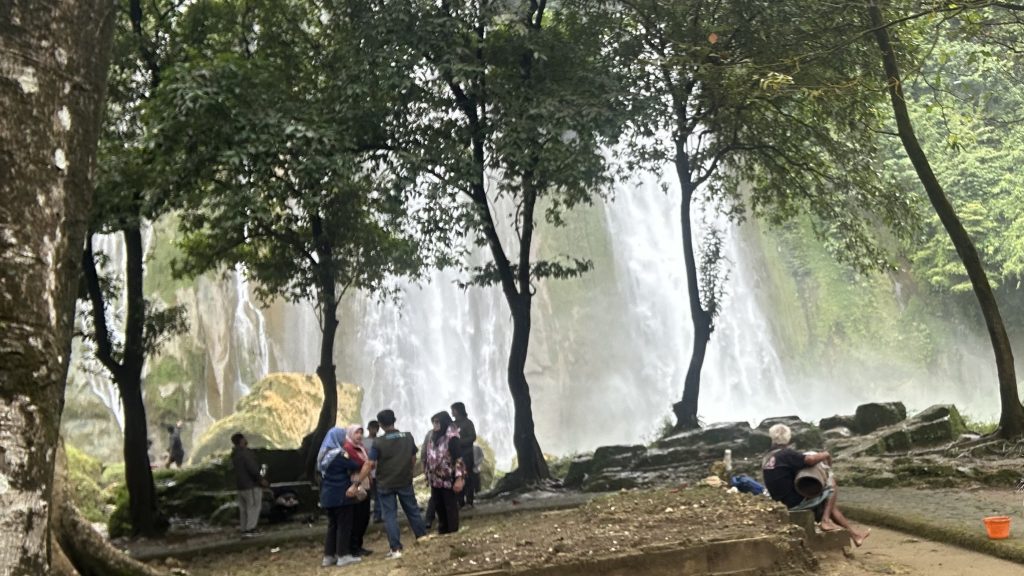
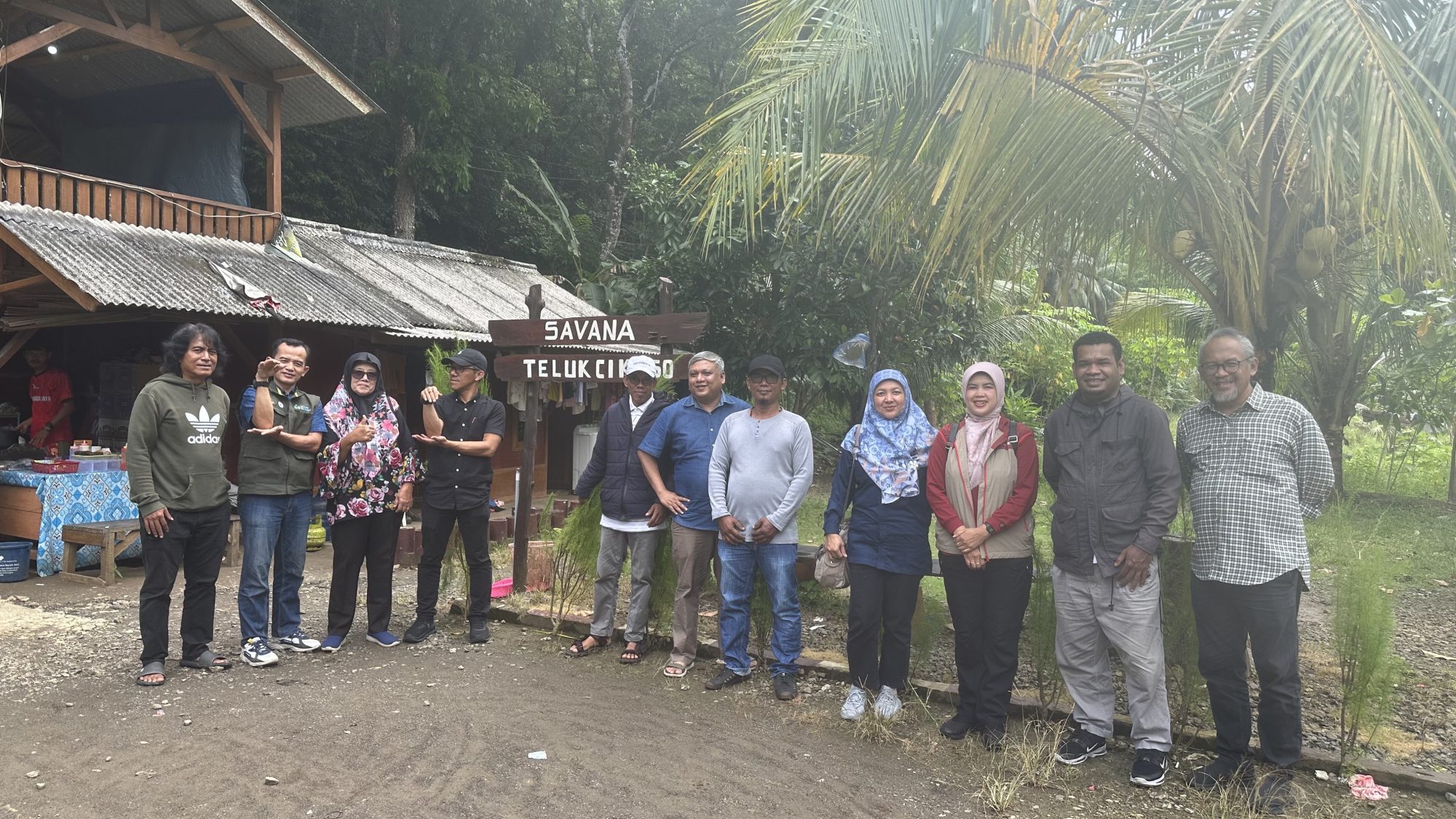
The field engagement concluded with an ecological survey of natural eel habitats at Curug Cikaso and the Cibuni River, two vital ecosystems that support the life cycle of Indonesia’s tropical eel species. Through direct observation and preliminary assessment, the team examined habitat conditions, hydrological patterns, and potential stressors affecting ecological resilience
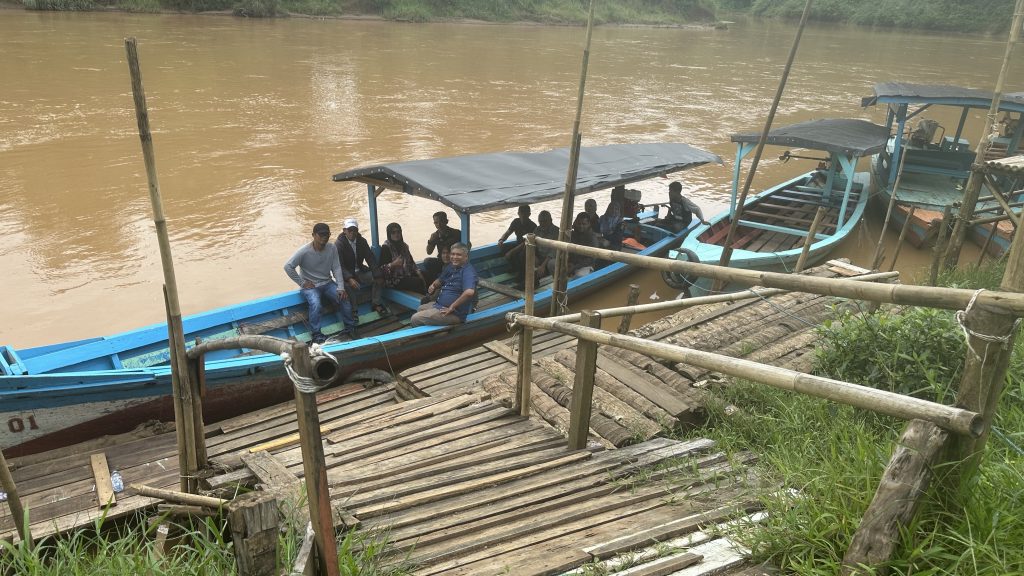
Insights from the survey reinforce the need for integrated habitat protection strategies that complement community-based eel farming and ensure long-term viability of tropical blue food systems. These findings show the need for better communication, stronger local partnerships, and programs that truly benefit communities. International partners are encouraged to work more closely with local actors, build trust, and support long-term solutions that combine conservation with economic justice.